Health and Safety Policy for Landscapers Herne Hill
 This health and safety policy sets out the standards expected from landscapers in Herne Hill and across the wider service area. It applies to all routine grounds maintenance, planting, clearance, waste handling, and related outdoor work. Our aim is to protect staff, customers, visitors, and the public by reducing risks wherever possible and by maintaining a consistent, safe working culture. Every task must be planned with care, carried out responsibly, and reviewed when conditions change.
We recognise that landscaping work can involve manual handling, powered equipment, uneven ground, sharp tools, vehicles, seasonal weather, and the collection of unwanted materials. Because of this, our approach is built on risk assessment, proper supervision, and practical controls. Whether working on domestic gardens, shared outdoor spaces, commercial grounds, or rubbish clearance jobs, the same core safety principles apply. All operatives are expected to work in a manner that protects themselves and others.
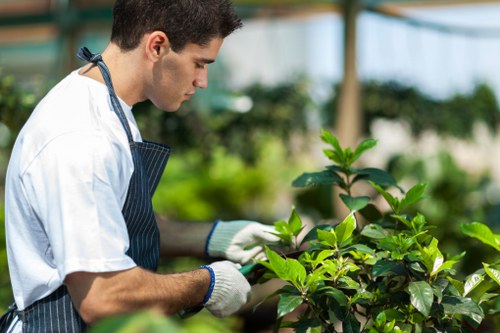 This policy also covers the handling of green waste, general rubbish, and bulky items collected during landscaping projects. Good housekeeping is essential, particularly when working in busy or public-facing locations. Debris must be cleared promptly, tools stored safely, and access routes kept free from obstruction. In every case, the team should remain alert to trip hazards, unstable surfaces, and hidden items within overgrown areas.
All staff must be competent for the work they undertake and must use equipment only when trained and authorised to do so. PPE, including gloves, eye protection, safety footwear, hearing protection, and high-visibility clothing where required, must be worn appropriately. Clothing should suit the weather and the task, while still allowing safe movement. Comfort must never replace caution, and damaged PPE must be reported and replaced without delay.
Before starting any job, a site-specific check should be completed to identify hazards such as unstable fencing, loose paving, hidden glass, animal waste, aggressive vegetation, overhead cables, or public access points. Where risks cannot be controlled immediately, work must stop until safe arrangements are in place. Machines and hand tools must be inspected regularly, maintained in good condition, and used according to manufacturer instructions. Guards, switches, and safety features must never be bypassed.
 Manual handling is a major concern in landscaping and rubbish removal. Staff must assess each lift, use team lifting where appropriate, and avoid twisting or overreaching. Barrows, trolleys, and other aids should be used whenever possible to reduce strain. Heavy, awkward, or unstable loads must be broken down or moved by a safer method. If a load appears unsafe, it should not be forced.
Weather conditions can change rapidly and may create extra risks. Wet grass, frost, strong winds, heat, and poor visibility can all affect safe working. Jobs should be adapted to suit the conditions, with breaks, hydration, and additional controls used where necessary. In cold weather, workers should take care to maintain grip and avoid rushing. In hot weather, attention should be given to fatigue and sun exposure. Safe work is planned work, not hurried work.
When using mowers, strimmers, hedge cutters, shredders, or other powered tools, operators must keep bystanders at a safe distance and remain aware of flying debris, noise, and vibration. Fuel and charging equipment must be handled carefully, stored securely, and kept away from ignition sources and moisture. Any defect, near miss, or accident must be reported at once and recorded in line with company procedures so that lessons can be learned and repeat hazards reduced.
Waste, rubbish, and site clearances must be managed responsibly. Materials should be segregated where practical, loaded safely, and disposed of only through approved routes. Hazardous items, such as broken glass, chemical containers, needles, or contaminated waste, require extra caution and must not be handled casually. Clean disposal practices protect the workforce, clients, and the environment, and they help keep work areas orderly throughout the day.
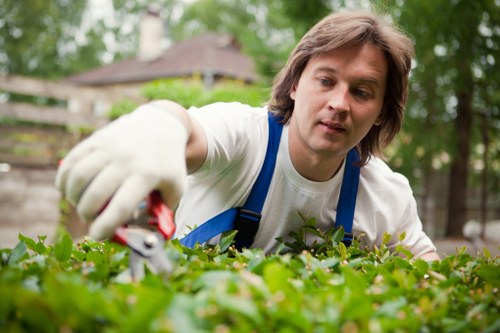 The company expects a professional attitude to safety at all times. No employee should take shortcuts, work while unfit, or continue if they believe a task has become unsafe. Supervisors are responsible for encouraging open communication and ensuring that new staff, temporary workers, and subcontractors understand the required standards. Training, refresher instruction, and regular checks help maintain consistency across all landscaping services.
Safeguarding the public is also important, especially where work takes place near roads, paths, schools, shared entrances, or occupied buildings. Barriers, signage, and clear working boundaries should be used where needed to prevent accidental contact with equipment or waste materials. Vehicles must be parked considerately and loaded safely. Attention should always be given to pedestrians, property, pets, and neighbouring activity.
Environmental care supports safety too. Spills, dust, noise, and unnecessary disturbance should be minimised. Where rubbish is removed as part of the service, crews should separate reusable or recyclable material when possible and leave the area tidy. This approach reduces hazards and supports a reliable, responsible landscaping service for homes and businesses in Herne Hill and the surrounding area.
 This policy will be reviewed regularly to ensure it remains suitable, practical, and effective. Changes in equipment, work methods, regulations, or working environments may require updates. All staff are expected to contribute to a safer workplace by following instructions, reporting concerns, and taking reasonable care for their own safety and the safety of others. By applying these standards consistently, landscapers Herne Hill can deliver dependable outdoor work while maintaining a strong commitment to health, safety, and responsible rubbish handling.

