Recycling and Sustainability at Landscapers Herne Hill
 At Landscapers Herne Hill, we take a practical, local approach to eco-friendly waste disposal and responsible site clearance. Our goal is to keep gardens, outdoor spaces, and landscaping projects as clean and efficient as possible while making sure recyclable materials are separated, recovered, and sent to the right facilities. From routine green waste to mixed project debris, our sustainable rubbish area focuses on reducing landfill use and improving resource recovery across every job.
We set a clear recycling percentage target of 85% for suitable waste streams, with the long-term aim of pushing that figure even higher as more material is sorted for reuse and recycling. This target supports our wider sustainability plan, which includes careful segregation of soil, timber, metal, plastics, cardboard, and green cuttings. By improving sorting practices at the point of collection, our landscaping waste management becomes more efficient and less carbon-intensive.
Across Herne Hill and the surrounding boroughs, local waste services increasingly encourage separation of common materials into dedicated streams. That boroughs approach to waste separation helps make recycling more effective, especially for mixed garden and maintenance waste where soil, branches, packaging, and hard landscaping materials may all appear together. Landscapers Herne Hill aligns with these expectations by prioritising clean sorting and sending recyclable loads to appropriate local facilities.
Working with Local Transfer Stations
We use local transfer stations as a key part of our waste recovery process, helping reduce unnecessary transport distances and supporting a more sustainable route for collected materials. By consolidating and sorting loads close to the area of work, we lower the environmental impact of disposal and improve the chance that recyclable materials are processed efficiently. This is especially important for bulky landscaping waste such as turf, hedge trimmings, branches, broken paving, and packaging from outdoor installations.
Our team focuses on delivering material to facilities that can manage different waste categories responsibly. Green waste may be directed toward composting or mulching operations, while inert material can be processed separately for reuse or further recovery. This clear handling process helps our landscaper recycling workflow remain transparent and effective, with less contamination and more material staying in circulation.
 For projects involving garden clearance, planting upgrades, or hardscape removal, our sorting methods are designed to keep reusable materials apart from general rubbish. Items like clean timber, metals, and certain plastics are separated where possible, reflecting the needs of local waste systems and the growing focus on circular practices. This is a major part of how our sustainable landscaping rubbish area supports greener outcomes for the community.
Charity Partnerships and Reuse
 Not everything collected from a landscaping project needs to be recycled in the traditional sense. Where suitable, we support partnerships with charities and reuse organisations so that gently used items can have a second life. Outdoor furniture, planters, pots, tools, and selected decorative materials may be redirected to local charities, reuse shops, or community projects when they are still in usable condition. This helps reduce waste while also supporting good causes in and around Herne Hill.
These partnerships are particularly valuable during garden transformations, seasonal clear-outs, and property maintenance jobs where surplus items are removed in good condition. Rather than sending everything to disposal, we look for reuse-first options that benefit both the environment and the local community. This approach complements our recycling waste service by ensuring that useful materials are not overlooked just because a site is being refreshed.
We also recognise the role of careful site sorting in making charity donations possible. When items are kept clean, undamaged, and separate from contaminated waste, they are much easier to pass on for reuse. This is one reason our teams work methodically on-site, using distinct collection methods for recyclable, reusable, and non-recoverable waste streams.
Low-Carbon Vans and Cleaner Transport
To support lower emissions, we continue to invest in low-carbon vans and efficient route planning. Our vehicle strategy is designed to minimise fuel use while still handling the demands of landscape clearance and waste removal. By choosing modern vans with improved efficiency and planning jobs to reduce unnecessary mileage, we cut the carbon footprint associated with every collection.
Transport is a major part of any waste service, so we aim to make it as clean as possible. When combined with local transfer stations and careful load consolidation, our vehicle choices help create a more sustainable system from collection to processing. This matters for homeowners, property managers, and commercial clients who want their landscaping waste recycling to support environmental goals without compromising reliability.
Our low-emission approach also helps when multiple waste categories need to be moved from a project site. By coordinating pickups efficiently, we reduce repeat journeys and keep recyclable loads moving toward the right destination in fewer trips. That makes our eco-friendly waste disposal area more effective and supports long-term sustainability across the service area.
Recycling Practices Relevant to the Local Area
 In Herne Hill and nearby boroughs, recycling expectations often centre on keeping garden and household waste well separated. We reflect that local mindset in our operations by encouraging clean sorting of green cuttings, soil, rubble, timber, and packaging materials. This makes it easier for transfer stations and recyclers to process each stream properly and reduces the risk of contamination.
Typical recycling activity in the area includes composting of green waste, recovery of clean inert materials, and separate handling of metals and plastics from landscaping projects. In some cases, cardboard and paper packaging from plants, turf, or outdoor fixtures can also be recovered if kept dry and uncontaminated. By mirroring these local separation habits, Landscapers Herne Hill helps keep waste streams suitable for recycling and recovery.
We also aim to improve awareness around seasonal waste patterns, such as heavier volumes of pruning waste in spring and autumn, or extra packaging from garden upgrades and outdoor installations. Planning for these fluctuations allows us to keep the recycling percentage target on track and maintain a high standard of environmental performance throughout the year.
A More Sustainable Future for Outdoor Waste
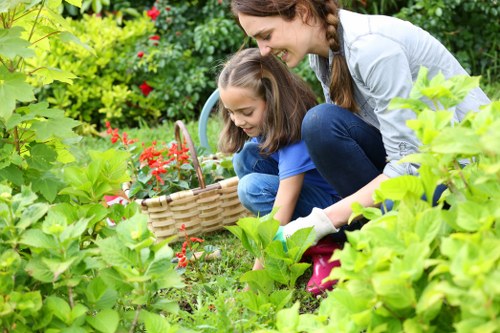 Our vision for the future is simple: less landfill, more reuse, and smarter handling of every material removed from site. Through better sorting, stronger charity partnerships, local transfer station use, and low-carbon vans, we continue to improve the sustainability of our landscaping waste services. Every step is designed to make our recycling and sustainability approach more practical, more local, and more effective.
Whether we are managing garden clearance, maintaining commercial grounds, or removing waste from a landscaping upgrade, we apply the same principle: keep useful materials in circulation whenever possible and dispose of the remainder responsibly. That commitment shapes the way we operate and helps ensure our sustainable rubbish area supports a cleaner environment for Herne Hill and the surrounding communities.
By combining modern waste handling with local recycling habits and a clear environmental target, Landscapers Herne Hill continues to build a greener service model. It is a practical approach that benefits clients, reduces waste impact, and supports a more circular future for landscaping in the area.

